%201.png)
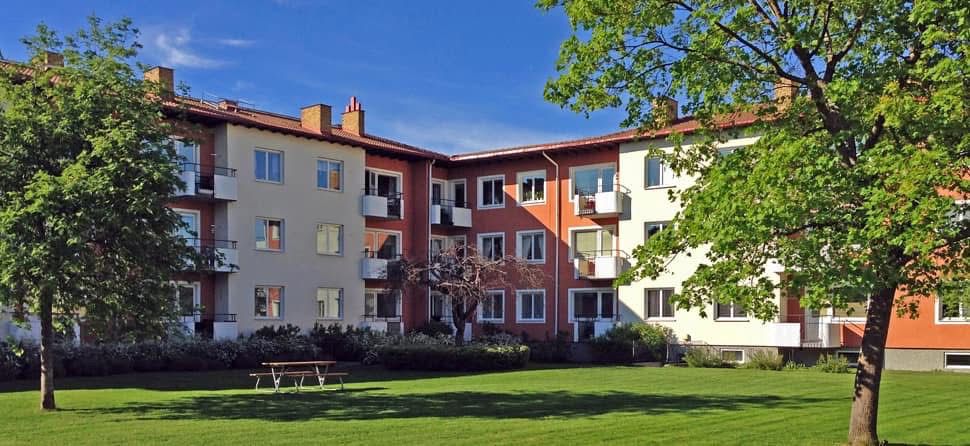
Field Study: Brf Asken 9 — NetZero Case Study
Optimize heat transfer and reduce energy consumption in a residential building from...

Project introduction
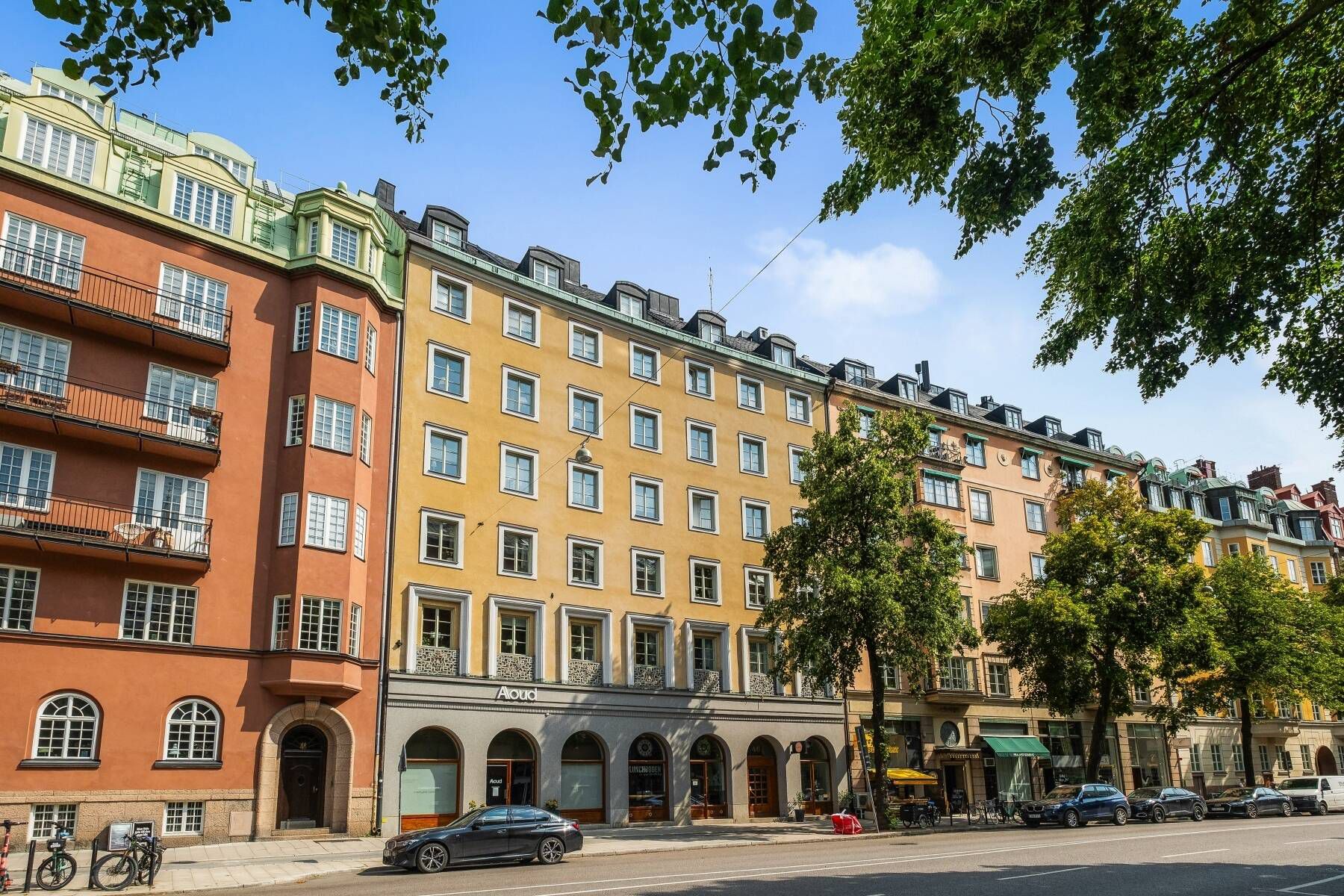
Optimize heat transfer and reduce energy consumption in a 1930s residential building.
Trouble
No pressing technical problems, but a clear ambition to improve heat distribution and reduce energy costs.
Previous complaints from residents about cold apartments on the upper floors.
Solution
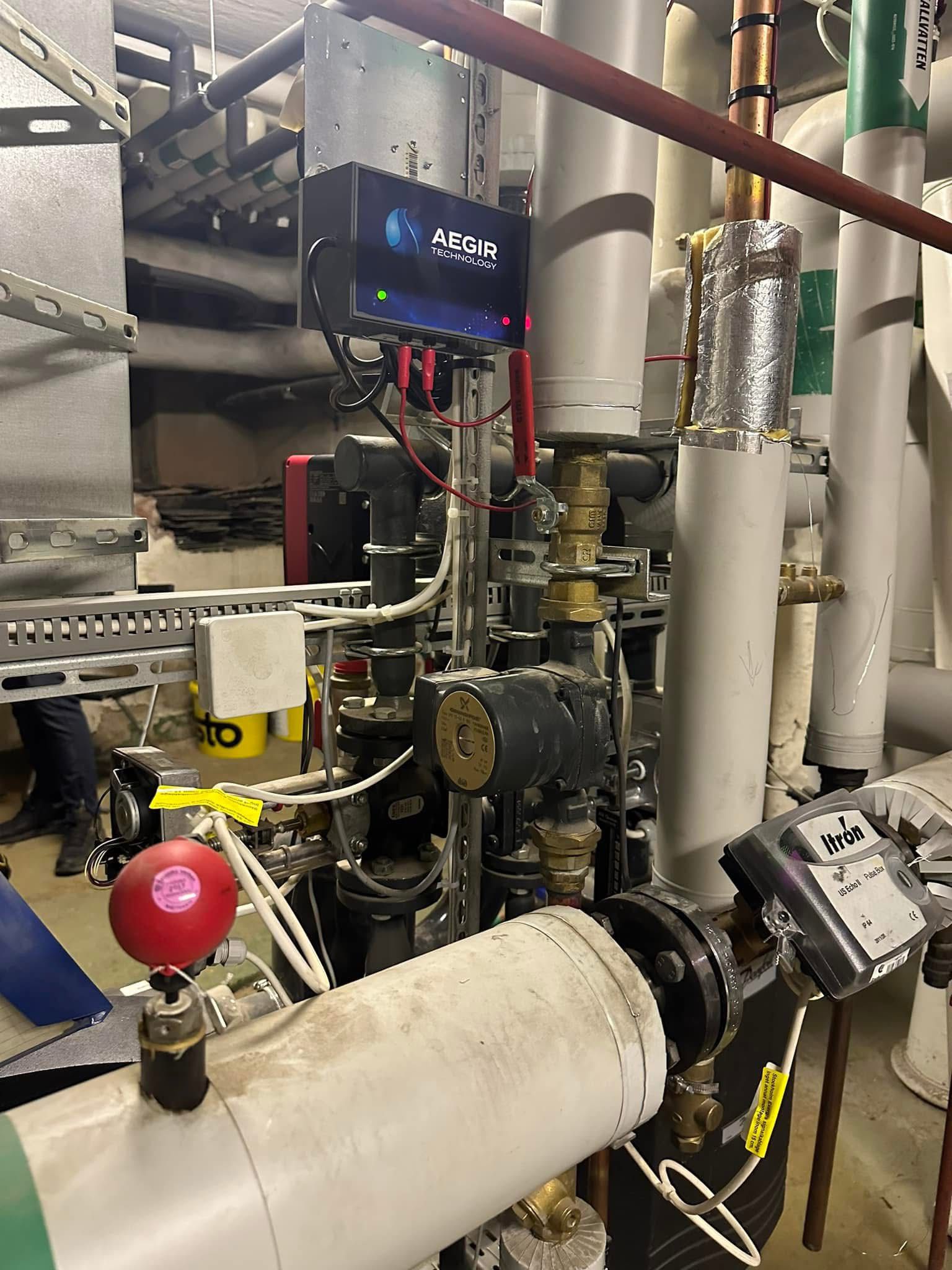
Installation of AEGIR Impulse Pro (80 mm) on the radiator circuit, as well as a smaller system on the hot water circulation.
Later, an additional PRO unit was installed on the incoming cold water pipeline.
System status at installation
• No Exhaust Installed
• No visible deposits of magnetite or sludge
• Limescale deposits that dissolved after installation
Results (Nov-Feb, 2024 vs. 2025)
• Energy consumption decreased by 54 MWh, corresponding to 20.55%
• Adjusted for a warmer winter (+1.5°C)
• The front line temperature was reduced from 68 °C to 62 °C without loss of comfort
• Direct savings: approximately 70 000 SEK per year
• Extended service life of the system by 15—20 years
• Avoid radiator renovation costs of approximately SEK 1 million
• Projected long-term savings of SEK 2—3 million over 10—15 years
• Clear improvement in heat distribution, even in previously cold apartments
• Reduced CO₂ impact due to lower energy consumption
Conclusion
The project clearly shows that removal of lime deposits and improved water quality through nano-bubbles leads to better heat transfer, lower energy use and higher living comfort. The installation enabled both significant financial savings and a sustainable long-term solution.
.jpeg)
.jpeg)