%201.png)
Pilot Project Brf Östertull, Uppsala
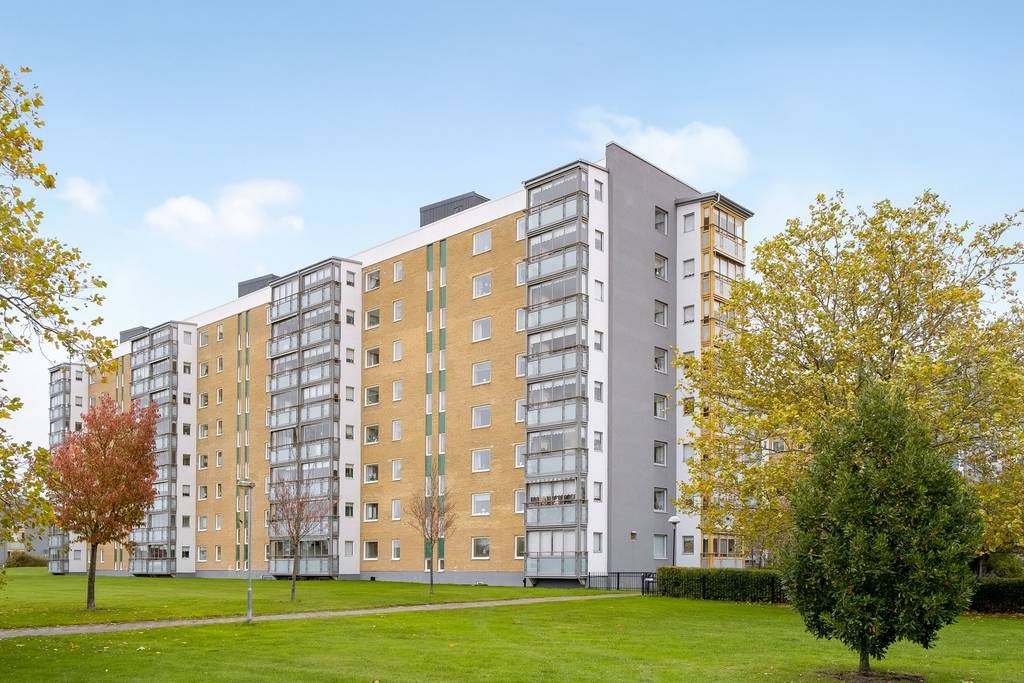
Brf Östertull är en stor bostadsrättsförening med högt och stabilt värmebehov...

Net Zero Fält Studie
Project agenda
Brf Östertull är en stor bostadsrättsförening med hög och stabil värmeförbrukning. Den årliga energianvändningen uppgår till cirka 4 miljoner kr årligen, vilket gör att även små effektivitetsförbättringar får stor ekonomisk och miljömässig betydelse.
Syftet med pilotprojektet var att minska energianvändningen, reducera CO₂-utsläpp och skydda den befintliga värmeinstallationen utan kemisk rengöring eller utbyte av systemet.
Teknisk lösning
AEGIR Impulse-systemet installerades på det slutna radiatorsystemet. Genom att generera nanobubblor från naturligt lösta gaser i systemvattnet förbättrar tekniken värmeöverföringen, avlägsnar biofilm och magnetit samt återställer systembalansen över tid.
Inga mekaniska ingrepp eller kemikalier användes.
Uppmätt Energi förbrukning
- Månad 2024 (MWh) 2025 (MWh)
- Januari - 595 - 487
- Februari - 476 - 447
- Mars -432 - 364
- Total Jan – Mar 1503 1298 Minskning: 205 MWh (jan–mar)
Verifierade resultat
- Energibesparing: 12,8 %
- Kostnadsreduktion: cirka 164 400 SEK på ungefär 2 månader
- CO₂-reduktion: cirka 11 ton på 2 månader
- Investering: cirka 170 000 SEK
- Återbetalningstid: inom samma uppvärmningssäsong
Långsiktig effekt
- Uppskattad årlig besparing: cirka 1,45 MSEK
- Effekt över 10 år: cirka 14,5 MSEK i minskade energikostnader
- CO₂-reduktion över 10 år: cirka 350 ton
- Förlängd systemlivslängd
Radiator- och rörsystem beräknas få cirka 15 års förlängd livslängd tack vare minskad korrosion, beläggningar och termisk belastning.
Net Zero Relevans
Direkt minskning av energianvändning och CO₂-utsläpp i bostadsfastigheter
Högskalbar lösning för bostadsrättsföreningar och kommuner
Stödjer Sveriges nationella klimatmål och är i linje med EU:s taxonomi för hållbara investeringar
Möjliggör klimatpåverkan utan störande renoveringar eller hög kapitalrisk
Project Holders
- Steven Sabok Roh
- Anton Johansson
- Lennie Wallström
- Christer Larsson
.jpeg)
.jpeg)
.jpeg)