%201.png)
HSB 417 LGH Project, Malmö
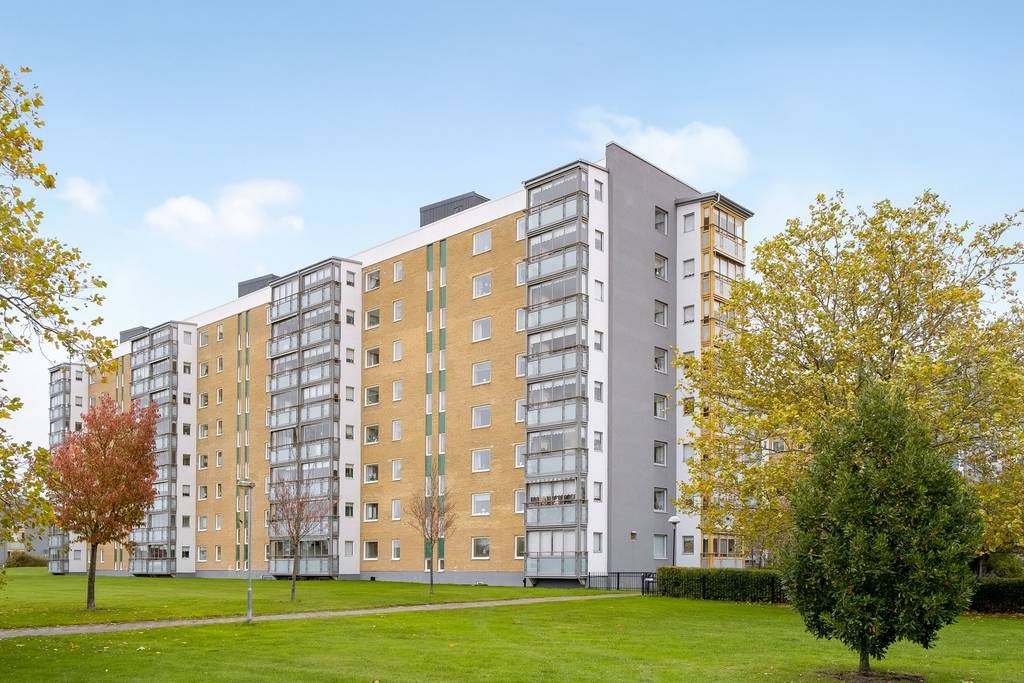
HSB 417 is a larger apartment complex in Malmö with several heating and water centers...

Background
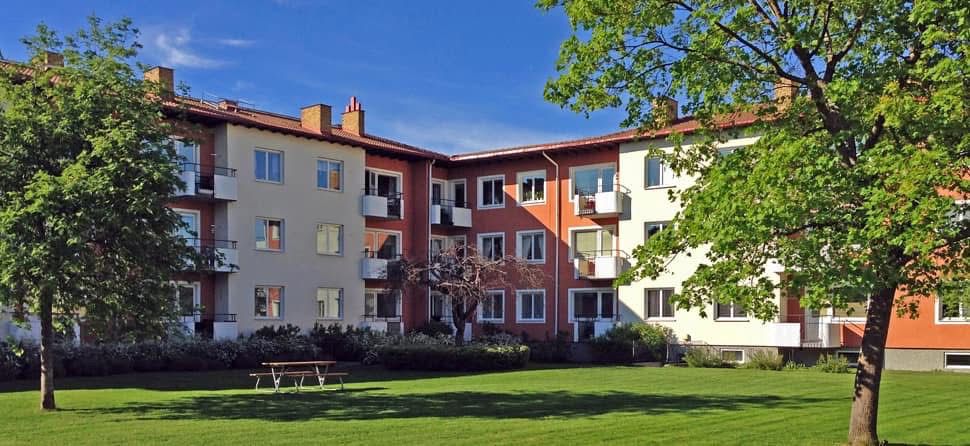
HSB 417 is a larger apartment complex in Malmö with several heating and water centres. The property needed to improve energy efficiency and ensure consistent temperature retention in the domestic hot water and HVAC system.
The background to the project was that the property had been working for a long time with too high temperature settings to prevent legionella. This led to increased energy losses and a need for more controlled and stable temperature control.
The goal of the project is to optimize the functioning of the heating and water systems and to create long-term stable operation without chemicals or extensive interventions.
Challenge
The property includes five heatingplants and a complex distribution system. High temperatures were used as compensation for uneven temperature holding, which increased energy consumption without providing full safety throughout the system.
The challenge was to enable lower and more stable temperatures throughout the property, without compromising operational reliability.
Solution
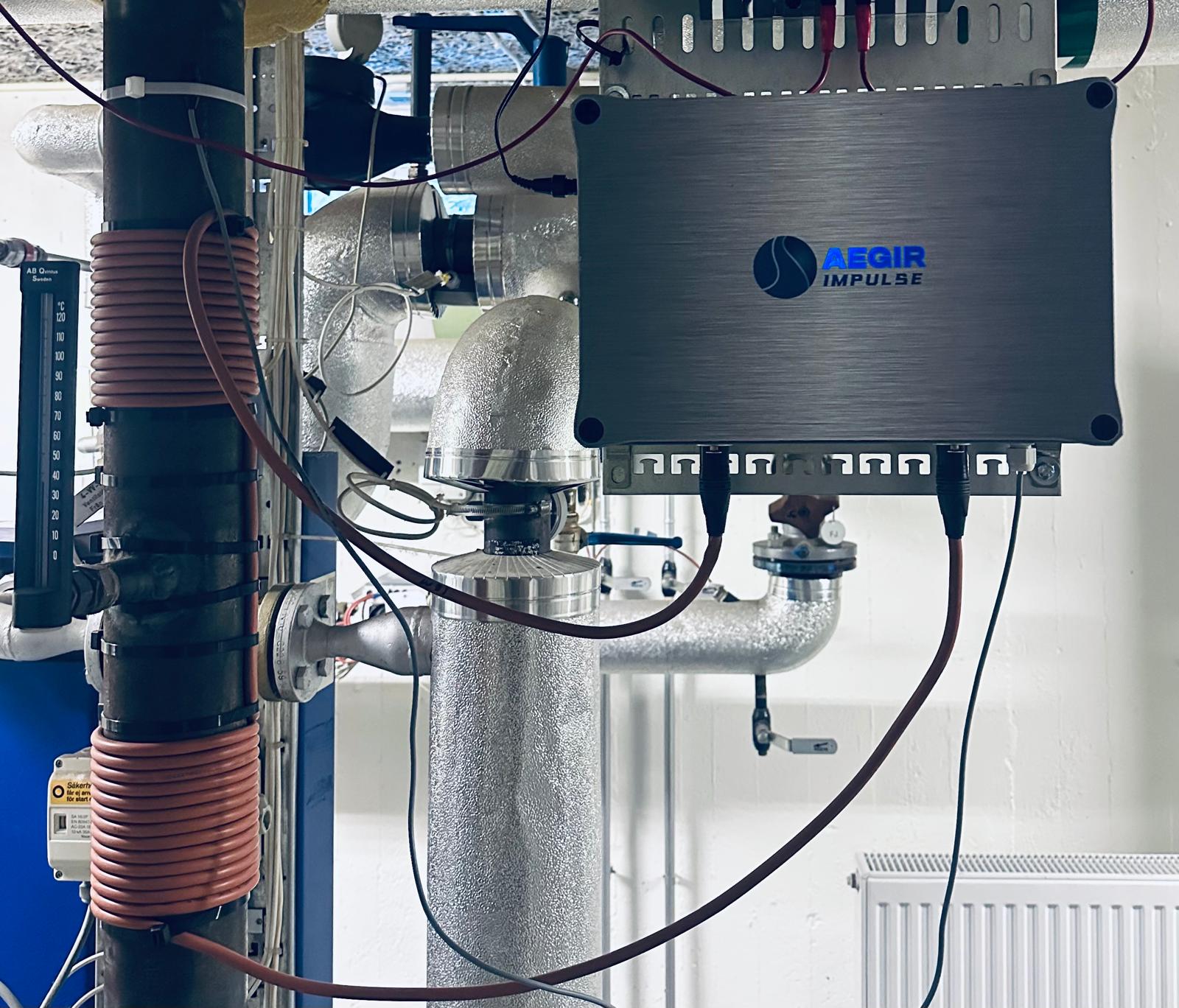
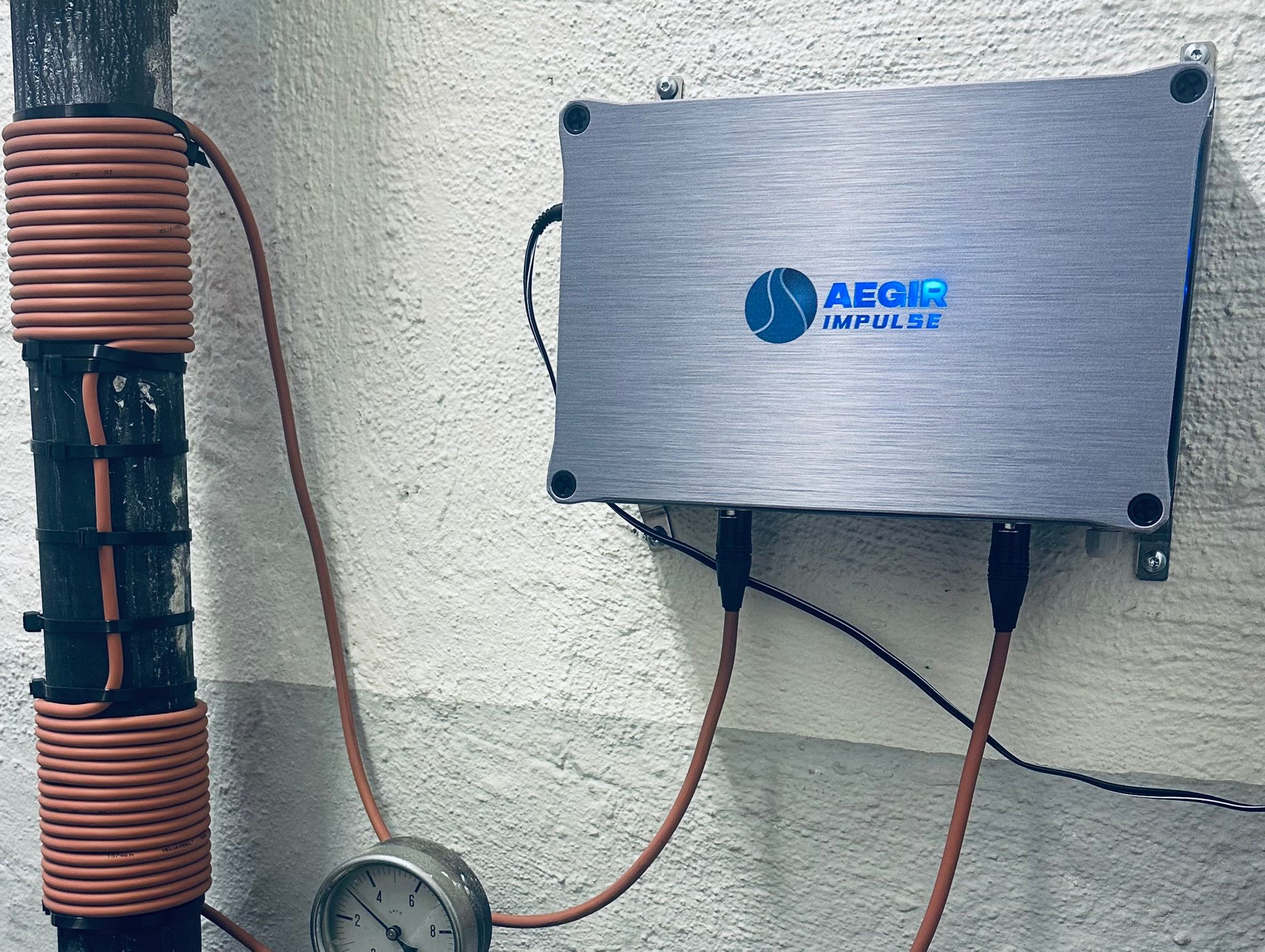
All units were equipped with AEGIR Impulse Pro installed on incoming cold water, radiator circuit and VVC system.
The systems generate impulse-generated electromagnetic fields that convert naturally dissolved gases in the water into nanobubbles. This helps reduce coatings and biofilms as well as improve heat transfer and temperature stability.
Results (ongoing)
The project has been in operation for about two months and is still in the stabilization phase.
Initial observations show:
- improved temperature stability
- more stable operation in heating and HVAC systems
- conditions for controlled lowering of temperature
Follow-up is carried out over a longer period of time with the aim of achieving approximately 10-15% energy savings and at the same time reducing the risk associated with legionella.
Technical conclusion
Through improved system function and more stable temperature retention, the need for overcompensating temperature settings can be reduced. The solution enables the gradual optimization of both energy efficiency and long-term operational reliability in larger properties.
.jpeg)
.jpeg)